Viper Snake Watercolor Embroidery Review
When I sit down to evaluate a new digital asset for my studio, I am rarely looking at just a static image. I am visualizing the needle movement, the thread tension, and the final texture on fabric. Today, I am putting Viper Snake Watercolor through its paces as if it were going into a real client order. This piece falls under the category of Illustrations, but in our world, that means we need to determine how well it translates from screen to stitch. After analyzing the composition, mood, and technical feasibility, here is my practical assessment for designers, Etsy sellers, and craft business owners who are considering adding this design to their inventory.
First Impressions and Visual Personality
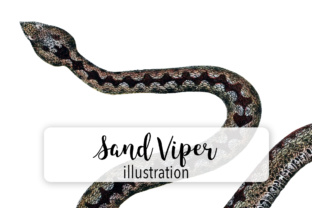
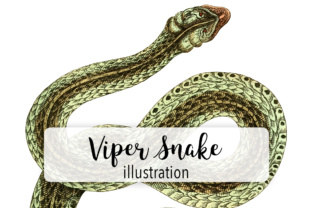
The immediate impact of Viper Snake Watercolor is its artistic flair. Unlike rigid geometric snake designs or traditional heraldic motifs, this illustration leans heavily into a soft, fluid aesthetic. The watercolor style suggests bleeding edges and organic color transitions, which creates a sophisticated, almost bohemian vibe. It feels less like a warning symbol and more like a piece of wearable art.
For the creative entrepreneur, this distinction is vital. This design does not scream "edgy biker patch"; it whispers "boutique nursery decor" or "artisanal home goods." The visual personality is gentle yet striking, making it highly versatile for brands that want to appear modern, approachable, and handcrafted. It captures attention without being aggressive, which is a rare balance in embroidery design assets.
Real-World Application: From Screen to Stitch
Let’s imagine a specific scenario. You are preparing a custom embroidered tote bag for a local artisan market. You have chosen a heavy-duty canvas bag in a neutral beige tone. Into this, you place Viper Snake Watercolor. Because the design has a natural flow, it drapes beautifully across the front panel. The watercolor effect, when stitched out, mimics the look of hand-painted fabric, elevating the perceived value of the handmade product.
This design shines in several key categories:
- Custom Apparel: On a sweatshirt embroidery project, the softer lines work exceptionally well on cotton blends. It adds a unique focal point to a crewneck or hoodie without overwhelming the garment.
- Baby Embroidery: For those selling personalized gifts for newborns, this design is a top contender. The lack of sharp, jagged angles makes it perfect for baby clothes, muslin blankets, and nursery decor. It feels safe, sweet, and stylish.
- Tote Bag Design: As mentioned, the organic shape fits well on large flat surfaces. It pairs beautifully with minimalist typography for a cohesive brand look.
- Holiday Embroidery: While not traditionally festive, the artistic nature of this illustration can be adapted for unique gift items during the holiday season, such as custom aprons or decorative pillow covers.
For the Etsy seller or small shop product creator, this versatility is money. One design file can serve multiple niches, from apparel decorators to makers of kitchen towels and tea towels.
Technical Considerations and Stitch Execution
As an experienced reviewer, I must address the technical side. Translating a watercolor illustration into machine embroidery requires careful planning. The success of Viper Snake Watercolor depends heavily on how the software interprets the gradients and soft edges.
When digitizing or using a pre-digitized embroidery file, pay close attention to the following:
- Stitch Density: Ensure the stitch density is balanced. If the fill areas are too dense, the fabric may pucker, ruining the delicate watercolor illusion. If they are too sparse, the underlying fabric will show through, breaking the color continuity.
- Satin vs. Fill Stitch: The outlines should likely use a satin stitch to define the shape, while the interior uses a fill stitch or running stitch variation to mimic paint strokes. Check that the transition between these stitches is smooth.
- Thread Colors: The choice of thread colors is critical. To achieve the watercolor look, you may need multi-color setups or specialty threads (like variegated or metallic) to create depth. Standard solid colors might make the design look flat unless carefully blended.
If you are creating your own digital embroidery file from scratch, remember that true watercolor effects are difficult to replicate perfectly. However, using a combination of different stitch types can approximate the effect convincingly enough for most customers.
Where to Use With Caution
No design is universal, and Viper Snake Watercolor has specific limitations where it should be used carefully. Avoid placing this design on:
- Small Hoop Sizes: The intricate details and flowing lines require enough space to breathe. In very small hoops, the design may become muddy and lose its definition.
- Textured or Stretchy Fabrics: Knits, jersey, and heavily textured fabrics can distort the delicate curves. Always test on scrap fabric first.
- Curved Surfaces: While caps and hats are popular, the complex shape of this snake may not conform well to the curve of a baseball cap brim or crown without significant distortion.
- Dense Stitch Areas: If the original illustration has tiny, detailed corners, these may not hold up well in frequent washing or on garments that undergo heavy wear.
Impact on Brand and Customer Trust
Using a high-quality design like Viper Snake Watercolor directly influences customer trust and professionalism. When a buyer sees a clean, well-executed embroidery project, they assume the maker cares about quality. This design, with its artistic merit, signals that the seller is not just slapping on generic clip art but is curating thoughtful design assets.
It enhances brand consistency for shops that focus on artistic, handmade, or boutique aesthetics. It also boosts buyer engagement because the unique style stands out in crowded marketplaces. Customers are drawn to designs that look like they belong in a gallery, even if they are buying a simple embroidered patch or a kitchen towel.
Final Verdict and Practical Advice
Viper Snake Watercolor is a strong addition to any designer’s library, particularly for those targeting the home decor, baby, and boutique apparel markets. Its artistic appeal allows it to stand out as a premium finished product.
Before committing to production, I strongly advise you to:
- Test the design on various fabric types to check for puckering.
- Inspect the hoop size requirements to ensure it fits your target products.
- Review the licensing terms if you plan to sell finished items commercially. Confirm whether the digital product rights allow for commercial use.
- Create printable mockups to visualize the design in different colorways and on different backgrounds before stitching.
By treating this design with the respect it deserves—testing thoroughly and executing with precision—you can turn Viper Snake Watercolor into a best-selling item that delights customers and strengthens your craft business reputation.