Sand Viper Watercolor Embroidery Review
When I sit down to evaluate a new digital embroidery file, my first instinct is always practical: Will this hold up in the hoop? Will it translate well from a screen to fabric? And most importantly, will the finished product look like something a customer would proudly wear or display? Today, I am looking at Sand Viper Watercolor, an illustration that promises a unique blend of organic fluidity and sharp character. As someone who has stitched hundreds of designs for clients ranging from boutique clothing lines to personalized baby gifts, I approach every file with a mix of excitement and skepticism. This review breaks down how Sand Viper Watercolor performs in real-world scenarios, where it shines, and where you might need to exercise caution.
The First Impression: Mood and Visual Personality
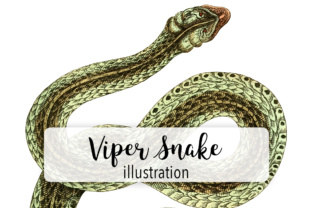
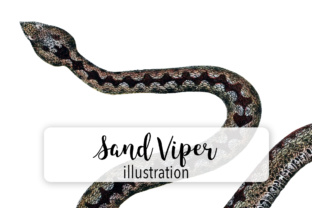
At first glance, Sand Viper Watercolor feels distinct from the typical geometric or rigid vector-style embroidery files that flood the market. The title suggests a naturalistic theme, likely featuring serpentine forms rendered with soft, blended edges reminiscent of watercolor painting. For an illustrations category piece, this design leans heavily into artistic expression rather than strict technical minimalism. The visual personality is calm yet striking, evoking the quiet tension of a desert landscape. It feels sophisticated, making it an excellent candidate for brands that want to convey elegance, nature, or artisanal quality.
The layout appears balanced, allowing the eye to travel along the curves of the viper without feeling cluttered. This flow is crucial for embroidery because it dictates how the thread colors will interact. Unlike blocky designs that can look stiff when stitched, the watercolor aesthetic implies a softer transition between hues. When I imagine this on a garment, it doesn’t scream for attention; instead, it invites a closer look. This subtlety is often what separates a mass-produced look from a high-end handmade product.
Real-World Application: Where Does It Fit?
I have spent considerable time thinking about how Sand Viper Watercolor would perform across various embroidery project types. Let’s start with apparel. This design would look exceptional on a heavyweight cotton sweatshirt. The structure of the fabric provides enough stability to handle the potential density of the fill stitches required to mimic watercolor blends. Imagine a cream or sand-colored sweatshirt with the viper centered on the back, using muted earth tones—ochre, sage, and deep brown. It creates a cohesive, earthy vibe that resonates strongly with current fashion trends favoring natural aesthetics.
For small business owners and Etsy sellers, this design is particularly versatile. It translates beautifully to tote bag design applications. A canvas tote embroidered with Sand Viper Watercolor feels more like a gallery accessory than a generic promotional item. The artistic flair elevates the perceived value of the bag, allowing you to charge a premium price point. Similarly, for aprons in kitchenware lines, the design adds a touch of whimsy and sophistication. It works well as a chest pocket accent or a larger central motif, depending on the apron’s cut.
Baby items are another strong contender. Baby embroidery often relies on soft, soothing imagery. If Sand Viper Watercolor uses pastel variations of its palette, it could be stunning on a muslin blanket or a hooded towel. The gentle curves of the viper avoid any aggressive connotations, making it safe and appealing for nursery decor. However, for personalized gift markets, such as wedding favors or holiday gifts, the design’s uniqueness gives it an edge. It stands out against the usual hearts and flowers, offering something memorable for guests.
Technical Considerations and Potential Pitfalls
While the artistic merit is high, we must discuss the technical execution. Not all machine embroidery design files are created equal, and the watercolor effect presents specific challenges. The primary concern is stitch density. To achieve a smooth gradient that mimics paint, the designer may have used dense clusters of fill stitch. On thin fabrics or stretchy materials like jersey knit, this can cause puckering or distortion. Therefore, testing on scrap fabric is non-negotiable. Always check if the design requires a heavy-duty stabilizer or if a tear-away will suffice based on the final fabric weight.
Another area requiring careful attention is the handling of fine details. If the viper features intricate scales or delicate line work intended to represent whiskers or texture, these elements may get lost in thicker threads. Satin stitch areas meant to outline the shape might become muddy if the hoop size is too small for the design’s dimensions. I recommend reviewing the hoop size requirements before committing to production. If the design exceeds your machine’s standard hoop limits, you may need to split the file or adjust the scaling, which can alter the aspect ratio and visual impact.
Fabric choice is equally critical. Dark fabrics can swallow up light watercolor tones, reducing contrast and clarity. If you plan to use this on black denim or navy caps, you might need to add a white underlay or choose a lighter thread palette to ensure visibility. Conversely, on light fabrics, the design should pop, but be mindful of thread sheen. Synthetic threads can sometimes reflect light differently than the matte finish of digital art, so a black-and-white mockup test can help you gauge tonal balance before threading your machine.
Stitch Quality and Thread Selection
To truly capture the essence of Sand Viper Watercolor, thread color selection is paramount. The success of the watercolor effect relies on subtle shifts in hue. Using standard, solid-color threads might result in a flat appearance unless the design includes extensive running stitch detailing or multi-position shading. Look for variegated threads or plan a sequence of closely related solid colors to build depth. The thread colors should complement the natural theme—earthy greens, sandy yellows, and cool grays will enhance the viper’s organic feel.
Inspecting the stitch density is also vital for durability. High-density areas are prone to needle breakage if not properly supported. Ensure that your stabilizer matches the fabric’s behavior. For woven cottons, a cut-away stabilizer offers long-term stability, especially for items that will undergo frequent washing, such as custom apparel or kitchen towels. For temporary projects like party decorations, a tear-away might be sufficient, but for commercial goods, longevity is key to maintaining customer trust.
Final Verdict for Designers and Sellers
Sand Viper Watercolor is a compelling addition to any library of design assets. It bridges the gap between fine art and functional craft, offering a product that feels both luxurious and approachable. For commercial embroidery ventures, this design allows you to differentiate your offerings in a crowded marketplace. Whether you are creating small shop products for a craft fair or listing digital printable mockups for other creators, the versatility of this illustration is evident.
However, success lies in preparation. Do not rush into production. Test the design thoroughly. Check the embroidery file for any errors in pathing or color stops. Confirm licensing terms if you intend to sell the finished items, ensuring you have the right to distribute the digital embroidery file commercially. By taking these steps, you protect your brand reputation and ensure that the final product reflects the high standards your customers expect.
In conclusion, Sand Viper Watercolor is more than just a pretty picture; it is a strategic tool for creative entrepreneurs. It offers a unique narrative through stitch and thread, capable of transforming simple garments into statement pieces. With careful planning and technical diligence, this design can become a standout favorite in your portfolio, driving engagement and sales for your craft business. Embrace the challenge of translating its artistic nuance into textile form, and you will find that the reward is well worth the effort.