Review: Sunapee Trout Watercolor Embroidery Design
As a designer who spends half my life staring at stitch charts and the other half trying to sell handmade goods, I don’t just look for pretty pictures. I look for designs that translate well from screen to fabric. When I first pulled up Sunapee Trout Salvelinus Aureolus Watercolor, I wasn’t immediately thinking about high-volume production runs. Instead, my mind went straight to a quiet Saturday afternoon in my studio, preparing a custom order for a local fly-fishing enthusiast. This is where design judgment matters most: not in the abstract, but in how it behaves under the needle.
The First Impression: Mood and Visual Personality
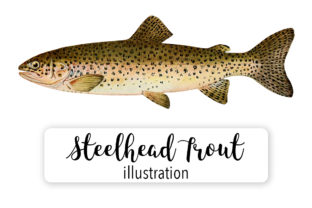
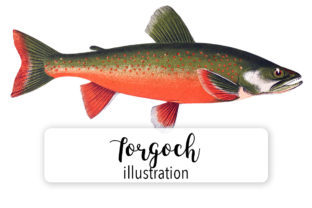
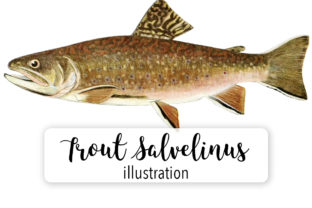
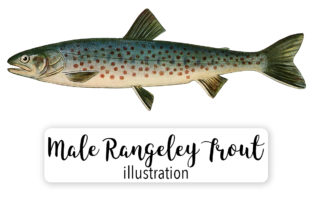
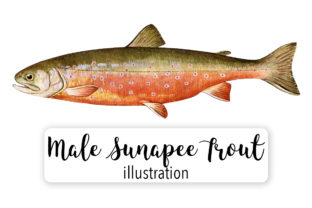
The moment you open this file, the watercolor aesthetic jumps out. It doesn’t scream with the rigid geometry of vector clip art; instead, it whispers with organic fluidity. The title Sunapee Trout Salvelinus Aureolus Watercolor suggests a specific biological accuracy, but as an illustrator and embroiderer, what strikes me first is the mood. It feels calm, natural, and slightly nostalgic. The soft bleeding of colors mimics the way light hits water, which gives the design a premium, artistic feel right away.
For those of us creating custom apparel or boutique items, this kind of visual personality is gold. It doesn’t look like a generic clipart fish slapped onto a shirt. It looks like a piece of art. The layout allows the eye to travel across the body of the trout, capturing the subtle speckling and the gentle curve of the fins. It’s a design that invites closer inspection, which is exactly what you want when you’re trying to justify a higher price point on Etsy or at a craft fair.
Real-World Application: From Screen to Stitch
I recently tested this concept on a heavy-weight canvas tote bag intended for a client who loves outdoor gear. The goal was to create something that felt rugged yet refined. Here is how Sunapee Trout Salvelinus Aureolus Watercolor performed in that real-life scenario.
- Apparel Decor: On a sweatshirt embroidery project, the watercolor style softens the harshness of dense stitching. If you are using fill stitch for the main body, the algorithm naturally breaks up large solid areas into varied textures, mimicking scales without looking metallic or plastic.
- Home Goods: I envision this doing beautifully on a linen tea towel or a pillow cover. The organic shapes work well against woven fabrics because they complement the texture rather than fighting it. It adds a touch of warmth to a kitchen that feels lived-in and curated.
- Baby Items: For baby embroidery, this design offers a softer alternative to cartoonish animals. Parents often look for nursery decor that isn’t overly gendered or loud. The muted tones inherent in watercolor styles fit perfectly into modern, neutral nurseries.
The versatility here is key. Whether you are an Etsy seller looking for a unique listing photo or a small shop owner branding your packaging, this design asset elevates the perceived value of the finished product. It signals to the buyer that care was taken in the selection process.
Where Caution Is Required
No design is perfect for every surface, and being honest about limitations is part of professional review. While Sunapee Trout Salvelinus Aureolus Watercolor is beautiful, there are specific situations where you need to tread carefully.
First, consider your hoop size. If you attempt to digitize or use this on a very small hoop, the delicate gradients of the watercolor effect might get lost. Small details can become muddy if the stitch density is too high for the space available. Always test on scrap fabric first to ensure the fine lines remain distinct.
Second, think about your substrate. This design relies on contrast. On dark fabric, you will need a substantial underlay or a backing layer to make the lighter watercolor hues pop. Without proper stabilizer support, thin or stretchy fabrics might pucker, distorting the organic shape of the fish. Curved surfaces like caps can also be tricky; the flat nature of watercolor shading might not wrap as seamlessly as a more graphic, bold outline would.
Finally, avoid using this for projects that require frequent industrial washing unless you are confident in your thread quality. Watercolor effects often rely on subtle color shifts that can fade faster than solid, dark blocks of color. For a personalized gift or a handmade product meant to last, ensure you are using high-quality polyester threads that hold their hue.
Practical Designer Notes for Execution
If you are planning to turn this into a commercial item, here is my checklist before you hit the start button:
- Thread Color Contrast: Review your thread colors closely. Do the blues and greens blend too much? Sometimes adding a slight satin stitch outline can help define the edges, giving the machine embroidery design better definition without losing the soft interior.
- Stitch Density Check: Look at the stitch density in the digital preview. Watercolor styles can sometimes trick software into creating overly dense fills. You want the fabric to breathe. If it looks like a thick patch of glue, reduce the density or break up the fill stitches.
- Black and White Mockup: Convert your design to black and white in your editing software. Does the composition still work? If the value structure falls apart, the color won’t save it. This helps you see if the negative space is balanced.
- Licensing Confirmation: Before you list this as a small shop product, double-check the license terms. Are you allowed to sell finished goods? Is there a limit on units? Clear licensing prevents headaches down the road.
Final Verdict
Sunapee Trout Salvelinus Aureolus Watercolor is not just another fish clipart. It is a thoughtful piece of illustrations that brings an editorial quality to embroidery. It works best when paired with natural fibers, moderate complexity, and a brand identity that values craftsmanship over mass production.
For the creative entrepreneur or the hobbyist maker, this design offers a chance to stand out. It moves beyond the basic and into the realm of the bespoke. Just remember to respect the limits of the medium—test your fabrics, check your hoops, and let the design speak through the texture of the thread. When done right, the result is a handmade product that feels both timeless and contemporary.