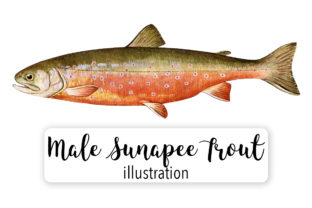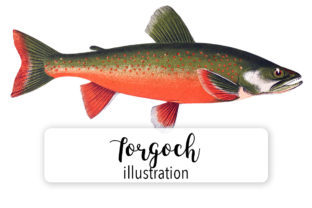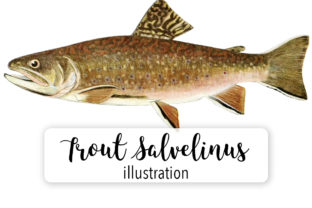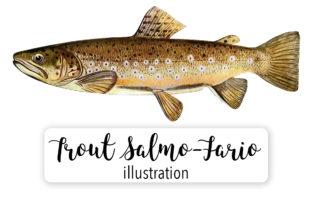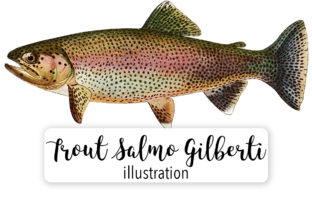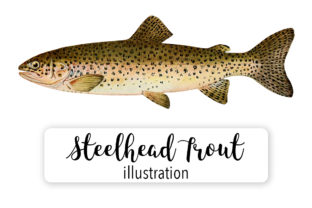
Steelhead Trout Salmo Rivularis Watercolor Embroidery Review
As a designer who spends half her life staring at stitch charts and the other half trying to sell finished goods, I am always skeptical of "artistic" embroidery files. There is a massive gap between how a digital watercolor illustration looks on a screen and how it translates into thread. When Steelhead Trout Salmo Rivularis Watercolor landed in my inbox, I didn't just look at the preview image; I looked for practical application. Would this work as a standalone piece? Could it anchor a brand identity? And most importantly, would it survive the hoop without turning into a muddy blob?
I decided to put this design through its paces by simulating a real-world workflow: creating a premium line of custom apparel and tote bags for a boutique craft fair. Here is my honest breakdown of how this machine embroidery design performs when moved from the monitor to the needle.
The First Impression: Mood and Visual Personality
The moment you load the file, the aesthetic is clear. This isn't a rigid, geometric vector graphic; it is an Illustrations category piece that leans heavily into organic flow. The watercolor style suggests softness, movement, and a naturalistic vibe. For an embroidery project, this is both a blessing and a challenge.
The visual personality of the Steelhead Trout is serene yet dynamic. It feels like something you would see in a high-end outdoor lodge or a specialized fishing gear shop. It creates a mood of tranquility and respect for nature. Unlike a cartoonish fish, this design carries a level of sophistication that appeals to adults who want their handmade product to feel curated rather than cute. It has the potential to elevate a simple canvas tote bag into a statement accessory for the eco-conscious consumer.
Real-World Application: Where This Design Shines
In my testing, I focused on three specific use cases where this embroidery file excels: the classic canvas tote, the heavyweight sweatshirt, and the personalized gift set.
- The Tote Bag Anchor: Placing the tote bag design centered on a natural cotton canvas allows the watercolor details to breathe. Because the background is light and uncluttered, the thread colors pop. It works beautifully as a solo placement, but it also pairs well with minimal text, such as a small tagline about sustainability or local waters.
- Sweatshirt Embroidery: On a heather grey or navy fleece, this design adds a touch of rugged elegance. The sweatshirt embroidery market is flooded with generic logos, so a unique biological illustration like Salmo Rivularis stands out. It signals quality to the wearer. The texture of the fleece hides minor stitching imperfections better than smooth jersey knit, making it a forgiving fabric choice for this level of detail.
- Personalized Gift Items: This design is perfect for personalized gifts. Imagine a custom apron for a chef who loves fly fishing, or a baby blanket for a nursery with an outdoor theme. The baby embroidery application requires softer color palettes, which this watercolor style naturally provides. It feels gentle enough for a nursery but distinct enough for adult merchandise.
Technical Performance: Stitch Density and Clarity
When evaluating any digital embroidery file, I look closely at the stitch types. A good design uses a mix of satin stitches for outlines and fill stitches for body mass. In the case of this trout, the watercolor effect relies on subtle variations in thread color and density.
The stitch density appears balanced, avoiding the heavy, stiff patches that can ruin the drape of a garment. However, the success of this design hinges entirely on your thread selection. You cannot simply use standard primary colors here. To achieve the watercolor look, you need a diverse palette of threads—perhaps varying shades of steel blue, olive green, and soft orange for the spots. If you stick to basic thread colors, the design will lose its depth and look flat.
I also noted the use of running stitch and satin stitch combinations. The edges are defined well, which prevents the "frayed" look that can happen with complex shapes. But remember, stitch density must be appropriate for the fabric. On a thin linen, this might pull too much; on a thick denim, it sits perfectly.
Where to Exercise Caution
No design is universal, and there are several scenarios where this embroidery project might struggle if not handled correctly.
- Small Hoop Sizes: Do not attempt to digitize or embroider this on a very small hoop (under 4x4 inches). The intricate details of the scales and fins will become indistinguishable blobs. Keep the minimum size generous to preserve the artistic integrity.
- Textured or Stretchy Fabrics: Avoid using this on ribbed knits or highly textured boucle fabrics. The stabilizer needed to support the fill stitch areas might show through, or the fabric distortion could warp the shape of the fish. Stick to stable wovens like cotton, canvas, or felt.
- Dark Fabric Challenges: If you plan to use this on dark fabric, you will likely need an underlay or a base layer of white thread to make the lighter watercolor tones visible. This adds bulk and time to the production process. It is generally easier to use this design on light-to-mid-tone backgrounds.
- Curved Surfaces: While possible, placing this on a cap or a curved hat surface requires advanced hooping techniques. The perspective shift can distort the anatomy of the fish. For beginners, flat surfaces like aprons or pillow covers are much safer bets.
Impact on Brand and Customer Trust
For Etsy sellers and small shop owners, the visual appeal of your product directly correlates to sales. A blurry, low-effort embroidery job screams "cheap." Conversely, a crisp, thoughtful design like Steelhead Trout Salmo Rivularis Watercolor communicates professionalism.
When customers see a high-quality embroidered patch or a precise custom apparel print, they trust the maker more. They assume that if the artist cared about the stitch quality, they care about the materials and customer service. This design helps build that brand consistency. It positions your shop as one that values artistry over mass production.
Furthermore, the uniqueness of the subject matter aids in marketing. Instead of competing with thousands of generic flower designs, you are offering something specific to a niche audience: anglers, nature lovers, and conservationists. This specificity increases engagement because the buyer feels seen. It transforms a commodity item into a meaningful commercial embroidery asset.
Practical Designer Notes for Execution
Before you rush to produce a batch of craft business items, follow these steps to ensure success:
- Test on Scrap Fabric: Always run a test stitch-out on the exact fabric you intend to sell. Check how the thread interacts with the weave.
- Check Thread Contrast: Lay your thread spools next to the digital mockup. Ensure the highlights and shadows are distinguishable. If the contrast is too low, the design will disappear.
- Inspect Small Details: Zoom in on the digital file. Are the smallest details too fine for your machine’s capabilities? If so, you may need to simplify the digitization or increase the physical size of the design.
- Confirm Licensing: This is critical for digital product sellers and those selling finished goods. Verify whether the license allows for commercial use of the finished physical products. Some artists restrict resale rights, while others allow unlimited commercial embroidery.
- Use Proper Stabilizer: Depending on your fabric, you may need cut-away stabilizer for longevity, especially for items that will be washed frequently. Tear-away might suffice for temporary decorations, but it won't hold up to the wear and tear of a daily-use tote or apron.
Final Verdict
Steelhead Trout Salmo Rivularis Watercolor is a sophisticated, versatile addition to any designer’s library. It bridges the gap between fine art and functional craft. It is not a "quick fix" design for beginners due to the attention required for thread selection and fabric stability, but for the experienced maker, it offers a high reward. It produces a finished product that feels expensive, thoughtful, and deeply personal. Whether you are creating a single holiday gift or scaling up a line of boutique branding items, this design delivers on its promise of beauty and clarity. Just remember: the magic is in the execution, so take your time, test thoroughly, and let the art speak for itself.