Spiny Turtle Watercolor Embroidery Review
When I sit down to evaluate a new digital embroidery file, I am rarely looking for perfection on the screen. I am looking for viability in the hoop. As a designer who frequently bridges the gap between digital illustration and tangible textile art, my primary concern is always: will this translate well from a pixelated preview into a stitched reality that holds up to wear, washing, and customer scrutiny? Today, I am putting Spiny Turtle Watercolor through that exact mental gauntlet. This piece falls squarely into the Illustrations category, which often presents unique challenges regarding stitch density and color blending. My goal here is to determine if this design deserves a spot in your commercial inventory or if it remains better suited for a quick hobbyist project.
First Impressions and Visual Personality
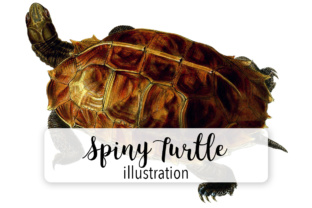
The moment you load the file, the watercolor aesthetic is immediately apparent. Unlike vector-based geometric designs that rely on sharp lines and solid blocks of color, Spiny Turtle Watercolor relies on soft gradients, organic edges, and a sense of fluidity. For an embroidery machine, this is both its greatest strength and its most significant risk factor. The visual personality is gentle, whimsical, and distinctly handcrafted. It does not scream "bold logo"; rather, it whispers "boutique quality."
This mood makes it exceptionally attractive for specific niches. It feels right at home in the nursery decor market, where parents are seeking soft, non-aggressive imagery for baby blankets or wall hangings. It also resonates strongly with the eco-conscious crafter demographic, as the turtle motif combined with a naturalistic paint style suggests sustainability and nature. However, designers must be wary of the "fuzzy" edge effect that can occur when trying to replicate watercolor bleed with thread. If the digitization is poor, those beautiful soft edges can turn into jagged, messy artifacts. But assuming the underlying structure is sound, the initial visual appeal is high, promising a finished product that looks expensive and carefully curated.
Real-World Application: The Custom Tote Scenario
To truly test this design, let us imagine a practical scenario. You are preparing a batch of custom embroidered tote bags for an upcoming craft fair or an Etsy shop launch targeting book lovers and beachgoers. The Spiny Turtle Watercolor design is placed centrally on a heavy canvas tote. Here is how I see it playing out.
The contrast between the structured weave of the canvas and the soft, artistic rendering of the turtle creates a sophisticated juxtaposition. Customers do not just buy a tote; they buy the aesthetic. Because the design is classified under Illustrations, it elevates the perceived value of the bag. It moves the item away from generic merchandise and into the realm of wearable art. When a customer picks up that bag, the intricate details of the spines—provided they are rendered with adequate stitch density—will catch the light differently than the surrounding fill areas, adding depth that flat prints cannot achieve. This tactile quality is what drives sales in the handmade product space. It signals to the buyer that time and skill were invested in the creation, justifying a higher price point compared to mass-produced alternatives.
Performance Across Different Garments and Products
While the tote bag is a strong candidate, Spiny Turtle Watercolor has versatility that extends beyond accessories. Let us look at how it performs in other common embroidery projects.
- Sweatshirt Embroidery: On a heather grey or cream sweatshirt, the watercolor tones pop beautifully. The fabric’s texture complements the artistic style, making it ideal for casual custom apparel. It works particularly well for autumn-themed collections, pairing naturally with earthy thread colors.
- Baby Embroidery: This is perhaps the strongest use case. Whether applied to muslin swaddles, hooded towels, or onesies, the gentle nature of the design is safe and appealing. Parents are often hesitant to choose bold, aggressive graphics for infants, but a soft-spined turtle in pastel watercolor tones is universally loved. It fits perfectly into the personalized gift market, especially for baby showers.
- Embroidered Patch: Converting this into an embroidered patch requires careful consideration. If the design includes fine details in the shell patterns, a dense satin stitch border might overwhelm the delicate interior. However, if used as a decorative accent on a denim jacket or a backpack, it adds a unique focal point that stands out against rugged fabrics.
- Kitchen Textiles: Tea towels and aprons are often overlooked markets, but they offer high visibility. A Spiny Turtle Watercolor design on a white flour sack towel can serve as a charming kitchen accent. It appeals to the "farmhouse chic" aesthetic that remains popular in home decor. The key here is ensuring the thread colors chosen are vibrant enough to stand out against the fabric without clashing.
Where to Exercise Caution
No design is flawless in every context, and Spiny Turtle Watercolor has specific limitations that experienced designers must respect. There are several scenarios where this design could fail if not handled with care.
First, avoid using this on highly textured or stretchy fabrics unless you are using a stabilizer specifically designed for those materials. The soft edges of the watercolor style can distort easily on ribbed knits or loose weaves, leading to a misshapen final product. Similarly, applying this to curved surfaces like baseball caps can be tricky. The curvature may cause the central part of the turtle to pucker or the outer edges to lift if the hoop size and tension are not perfectly calibrated.
Another critical area is small hoop sizes. If you attempt to downscale this design significantly, you risk losing the character that makes it special. Tiny lettering or minute details within the shell pattern may merge into indistinguishable blobs. In such cases, the design loses its professional polish and begins to look cheap. Furthermore, on dark fabrics, the lighter watercolor hues may require excessive underlay stitching to appear opaque, which can stiffen the fabric and alter the drape of the garment. Always test these variables before committing to a large production run.
Practical Designer Notes for Success
To ensure Spiny Turtle Watercolor delivers a premium result, follow these practical steps during your preparation phase. First and foremost, test the design on scrap fabric that matches the weight and texture of your final product. This allows you to observe how the thread colors interact with the material and whether the stitch density causes any puckering.
Inspect the small details closely. Zoom in on the digital file and then examine the stitched sample under good lighting. Are the spines distinct? Is the outline clean? If the digitization relies heavily on satin stitch for outlines, ensure there is enough space between stitches to prevent thread breakage. Conversely, if it uses fill stitch for the body, check for gaps or inconsistencies in coverage.
I also recommend creating black and white mockups of your finished products. This helps you evaluate the contrast and readability of the design independent of color distractions. Does the shape read clearly? Is the composition balanced? Additionally, compare how the design looks on both light and dark backgrounds. Sometimes a color palette that looks harmonious on one background becomes muddy or invisible on another.
Finally, always verify the licensing terms before selling finished items. While the design itself is an illustration, the rights to use it commercially vary. Ensure you have the proper permissions to sell physical goods created with this digital embroidery file. Ignoring this step can lead to legal issues that undermine your craft business credibility.
Final Verdict
Spiny Turtle Watercolor is a versatile, aesthetically pleasing design that shines when applied to the right substrates. It excels in the boutique, nursery, and gift markets, offering a level of sophistication that appeals to discerning buyers. By understanding its strengths in soft, artistic rendering and respecting its limitations regarding detail resolution and fabric compatibility, you can create stunning finished products that enhance your brand identity. For the thoughtful embroiderer willing to invest time in testing and preparation, this design offers a rewarding path to creating memorable, high-quality handmade goods.