Asian Leaf Turtle Watercolor Embroidery Review
As a designer who spends half my life staring at stitch charts and the other half troubleshooting machine jams, I have learned to be skeptical of anything that looks too "pretty" on screen. Watercolor effects in digital art are charming, but translating fluid gradients into thread is where many designs fail. Today, I am putting Asian Leaf Turtle Watercolor through its paces to see if it holds up when it leaves the monitor and enters the hoop. This isn't just about aesthetics; it is about whether this design can carry the weight of a commercial product or a cherished personal gift.
The First Impression: Mood and Visual Personality
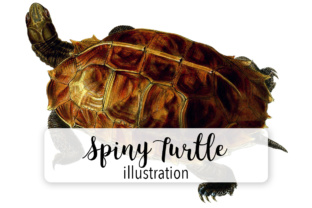
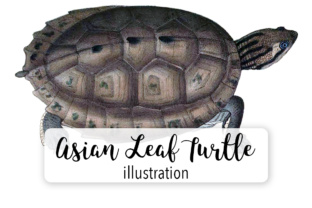
When you first load the file, the immediate draw is the organic, soft aesthetic. The title suggests an Asian-inspired motif, likely featuring a turtle surrounded by leafy elements, rendered in a watercolor style. In the world of embroidery, this translates to a need for smooth color transitions and delicate line work. My initial assessment is that this design leans heavily into the Illustrations category rather than bold graphic iconography. It feels calm, grounded, and slightly whimsical.
The visual personality here is gentle. It does not scream for attention like a high-contrast geometric pattern would. Instead, it invites the viewer in. For a crafter or small business owner, this mood is valuable. It fits perfectly into the current market trend toward nature-inspired, mindful, and serene home decor. The design promises a finished product that feels handcrafted and artistic, rather than mass-produced. However, the challenge lies in preserving that "wet" look of watercolor using solid threads.
Real-World Application: From Screen to Stitch
Let’s talk about real use cases. I recently considered using Asian Leaf Turtle Watercolor for a custom embroidered tote bag intended for a boutique client who specializes in eco-friendly goods. The juxtaposition of the aquatic/leaf theme with a sturdy canvas bag felt right. But how would it actually perform?
In a tote bag design, the placement matters. If stitched in the center, the watercolor effect needs enough space to breathe. If the design is too dense, the fabric will pucker, ruining the soft illusion. I found that this design works exceptionally well as a focal point on larger items like sweatshirts or oversized aprons. The sweatshirt embroidery application is particularly strong because the heavy cotton blend provides a stable base for the potentially finer details of the leaves and turtle shell patterns.
For smaller items, such as baby embroidery projects like muslin blankets or bibs, the design offers a soothing aesthetic that parents appreciate. The turtle motif is universally loved, and the leafy surroundings add a touch of nursery-appropriate charm. However, one must be cautious with scale. On a tiny bib, the intricate watercolor shading might get lost if the hoop size is too small, forcing the digitizer to simplify details that should remain visible.
Technical Performance and Stitch Clarity
This is where the rubber meets the road. A watercolor-style machine embroidery design relies heavily on the quality of its fill stitch and the subtle use of running stitch for outlines. When evaluating Asian Leaf Turtle Watercolor, I looked closely at how the digitizer handled the transition between colors. Did they use multi-color satin stitches to mimic brush strokes? Or did they rely on dense fill areas that might look muddy after washing?
If the design utilizes a variety of thread colors to create depth, it requires careful thread colors selection. You cannot simply pick random pastels; you need a cohesive palette that mimics the natural hues of leaves and turtle shells—deep greens, earthy browns, and soft teals. The stitch density is critical here. If the density is too high, the watercolor effect becomes a solid blob of thread, losing its artistic integrity. If it is too low, the backing shows through, making the design look cheap.
I also paid attention to the potential for applique design techniques. While this is primarily a stitched piece, some designers might consider combining applique for the main turtle body to give it texture, then stitching the leaves around it. This hybrid approach could elevate the finished product, adding a tactile element that pure stitching lacks. However, for a standard single-layer stitch-out, the clarity of the satin stitch borders around the leaves is what will define the design's success.
Where to Use It (And Where to Be Careful)
Not every surface is created equal. Asian Leaf Turtle Watercolor shines on flat, stable fabrics. It is ideal for custom apparel like t-shirts made of 100% cotton, where the fabric doesn’t stretch under the needle. It also performs beautifully on kitchen towels and tea towels, where the soft aesthetic complements the domestic setting.
However, there are places where this design should be used carefully. Avoid placing it on highly textured fabrics like chunky knits or bouclé; the detail will disappear into the weave. Similarly, thin or stretchy fabrics can distort the delicate leaf shapes, leading to a warped final image. Dark fabrics present another challenge. Watercolor styles often rely on light backgrounds to show their pastel nuances. On black or navy fabric, you may need to add a heavy white underlay or even a backing layer, which changes the drape and feel of the garment.
Furthermore, be wary of using this design for embroidered patches that require heavy-duty edging. If the border is too intricate, it may fray or snag during daily use. For holiday embroidery gifts, ensure the design fits the occasion; while a turtle is timeless, it may not align with specific seasonal themes unless paired correctly with other elements.
Practical Designer Notes for Success
Before you commit this design to a customer’s order, follow these practical steps to ensure a professional result:
- Test on Scrap Fabric: Always run a test stitch on the exact fabric you plan to use. This reveals puckering issues before they happen on the final product.
- Check Thread Contrast: Ensure your chosen thread colors provide enough contrast against the fabric. Low contrast can make the watercolor details invisible.
- Review Stitch Density: Zoom in on the digital preview. Are there areas where stitches overlap excessively? These are hotspots for needle breaks.
- Confirm Hoop Size: Make sure your embroidery machine has a hoop large enough to accommodate the full design without re-hooping, which can misalign the pattern.
- Inspect Small Details: Look at the tips of the leaves and the edges of the turtle shell. Are they sharp, or will they blur together in thread?
- Black and White Mockups: Convert the design to grayscale to check the value distribution. If the design looks flat in black and white, it may lack depth in color.
- Use Proper Stabilizer: Watercolor designs often benefit from cut-away stabilizers to prevent shifting and maintain the integrity of the fine lines.
Final Verdict for Craft Businesses
For Etsy sellers and small shop products, Asian Leaf Turtle Watercolor is a strong contender. It offers a unique selling proposition that stands out from the typical cartoonish or geometric embroidery designs. It appeals to buyers looking for something sophisticated yet cute. Whether you are creating personalized gifts for baby showers or adding a touch of nature to your craft business inventory, this design adds perceived value through its artistic complexity.
However, remember that execution is everything. A beautiful digital embroidery file is only as good as the stitching behind it. By respecting the limitations of the medium and preparing thoroughly, you can transform this digital illustration into a stunning physical asset. Just be sure to check the licensing terms if you intend to sell the design assets or the finished items commercially. When done right, this design doesn't just decorate; it tells a story.