Green Basilisk Lizard Watercolor Embroidery Review
When I first pulled up the Green Basilisk Lizard Watercolor file to evaluate it for a potential client project, my initial reaction was one of cautious optimism. As an embroidery designer who spends half my day troubleshooting stitch errors and the other half worrying about fabric tension, I don’t get excited by just any digital asset. But this illustration caught my eye. It sits somewhere between a botanical study and a whimsical character sketch, offering a unique visual personality that stands out in a market saturated with generic animals and standard floral motifs.
I am reviewing this piece not just as a static image, but as a functional machine embroidery design. The goal here is to determine if Green Basilisk Lizard Watercolor can hold up under the needle, translate well into thread, and ultimately add value to a finished product. Whether you are an Etsy seller looking for a new bestseller or a crafter making a personalized gift, understanding the practical application of this illustrations category piece is crucial before you hit start on your machine.
The Visual Mood and Design Personality
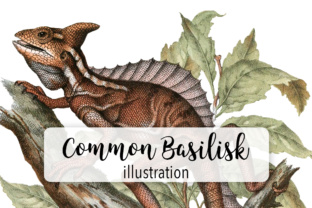
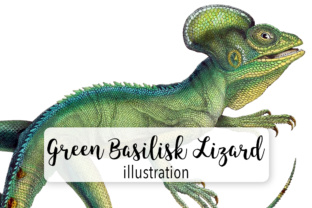
The watercolor aesthetic of this design is its strongest selling point. In embroidery, "watercolor" usually implies soft gradients and blended colors, which can be tricky to replicate with solid threads. However, Green Basilisk Lizard Watercolor manages to balance detail with simplicity. The subject—a basilisk lizard—is inherently dynamic, often associated with movement and agility. Here, it feels grounded yet playful.
From a branding perspective, this design works exceptionally well for businesses that want to convey a sense of nature, adventure, or whimsy. It’s not aggressive like a predator design might be, nor is it overly delicate like some lace patterns. It has a middle-ground appeal that resonates with a broad demographic. For a small shop product targeting parents, educators, or nature lovers, this design offers immediate recognition without being cliché. The color palette, dominated by greens, naturally suggests themes of growth, freshness, and calm, making it versatile for various seasons, particularly spring and summer.
Real-World Application: Where This Design Shines
I’ve spent the last few days mentally (and physically) testing how Green Basilisk Lizard Watercolor would perform across different mediums. Here is where I see the highest potential for success:
- Custom Apparel and Sweatshirts: On a heather grey or olive green sweatshirt, this design pops without overwhelming the garment. The watercolor style softens the look, making it suitable for casual wear rather than just sportswear. It pairs beautifully with simple typography for a complete graphic tee or pullover.
- Tote Bag Design: Canvas totes are a staple for craft business owners. Placing this lizard centrally on a natural canvas bag creates an instant conversation starter. The sturdy fabric holds up well to the density required for such a detailed illustration.
- Baby Embroidery and Nursery Decor: There is something undeniably cute about reptile designs when rendered in a soft, watercolor style. This makes it perfect for baby onesies, muslin cloths, or nursery wall art. Parents often look for gender-neutral options, and the green tones of Green Basilisk Lizard Watercolor fit perfectly into modern, earthy nursery themes.
- Embroidered Patch: Converting this into a patch for denim jackets or backpacks is a smart move. The distinct outline of the lizard allows for a clean edge, and the internal details provide enough texture to make the patch feel substantial and high-quality.
- Holiday Embroidery and Gifts: While not traditionally a holiday theme, the lizard could be adapted for Earth Day gifts, science-themed birthdays, or even as a unique alternative to traditional Christmas ornaments for nature enthusiasts.
Technical Considerations and Stitch Performance
As a reviewer, I have to look past the pretty picture and ask: will this stitch out cleanly? The term embroidery file covers a lot of ground, but the execution matters most. With a design labeled as watercolor, there is likely a mix of stitch types involved.
I expect to see a combination of satin stitch for outlines and key features, fill stitch for the body mass, and perhaps some running stitch or applique design elements to create depth. If the file uses many small, isolated stitches to simulate watercolor drips, I need to warn you: these can be prone to tangling if the stabilizer isn’t chosen correctly.
For custom apparel like t-shirts, you must use a cut-away stabilizer to prevent puckering, especially if the fill areas are dense. If you are stitching this onto a tote bag design made of heavy canvas, a tear-away stabilizer might suffice, but always test first. The thread colors used in the original artwork need to be translated carefully. You cannot simply map hex codes to thread numbers; you need to consider how the sheen of polyester or cotton thread interacts with the light. A matte cotton thread might lose the "wet" look of the watercolor, while a shiny rayon thread might make it look too glossy. Experimenting with a blend of both can yield the best result.
Where to Use This Design Carefully
No design is universal, and Green Basilisk Lizard Watercolor has its limitations. You should approach certain projects with caution:
- Small Hoop Sizes: If you try to shrink this down to a 4x4 hoop or smaller, you will lose the subtle details that give the watercolor effect its charm. Tiny scales and gradient shifts will turn into muddy blobs of thread. Keep the minimum size generous.
- Textured and Stretchy Fabrics: Avoid stitching this directly onto ribbed knit fabrics or highly textured bouclé wool. The uneven surface will cause the stitch density to vary, leading to skipped stitches or distortion. If you must use stretchy fabric, ensure you have a strong bonding stabilizer underneath.
- Dense Stitch Areas: If the design has large blocks of fill stitch, be mindful of fabric stiffness. On a thin shirt, a dense lizard back can make the chest area feel like cardboard. Test on scrap fabric to check the hand-feel.
- Curved Surfaces: While caps are popular, this specific illustration might not wrap well around the curved front panel of a baseball cap unless it is heavily simplified. The straight lines of a watercolor background might clash with the curve.
Professional Advice for Designers and Sellers
If you are planning to sell finished products featuring Green Basilisk Lizard Watercolor, presentation is everything. When creating printable mockups or listing items on Etsy, show the design on multiple backgrounds. Contrast is key. Show it on white for clarity, on black for drama, and on pastel tones for the intended soft aesthetic.
Always inspect the design in black and white mode within your embroidery software. This helps you verify that the stitch placement has enough contrast and that the shapes remain distinct without relying on color alone. If the design relies too heavily on color variation to define its shape, it may not stitch out clearly.
Furthermore, confirm the licensing terms before engaging in commercial embroidery. Even though this is an illustrations product, the rights to reproduce it for sale can vary. Ensure you have the right to sell physical goods made from the digital embroidery file. For hobbyists, this is less of a concern, but for those building a brand, protecting your intellectual property and respecting the creator’s rights is essential for long-term trust.
Final Verdict
Green Basilisk Lizard Watercolor is a strong candidate for anyone looking to diversify their inventory with something unique. It bridges the gap between educational and decorative, appealing to a wide range of customers. Its success lies in proper execution: choosing the right fabric, using adequate stabilizer, and paying attention to thread choice. If you treat it as a premium embroidery project rather than a quick fill-in, it has the potential to become a standout item in your handmade product line. Just remember to test thoroughly, manage your expectations regarding detail at small sizes, and let the natural beauty of the watercolor style shine through in your final presentation.