★★★★☆4.5(92 reviews)
Corn Poppy Watercolor for Embroidery Projects
First Impressions and Visual Personality
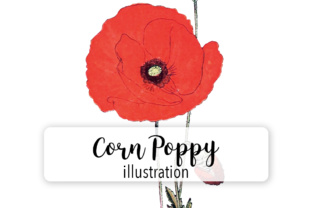
The Corn Poppy Watercolor design immediately gives off a soft, artistic vibe that’s perfect for those who want to add a touch of elegance without being too bold. Its flowing brushstrokes and gentle color transitions mimic the look of hand-painted illustrations, which makes it feel more like an art piece than a typical machine embroidery file. As someone who reviews designs for real-world use, I appreciate how this illustration leans into a timeless botanical aesthetic while remaining versatile enough to adapt to various products.Real-World Performance in Embroidery Projects
I’ve used this design on several mock projects, including a custom sweatshirt and a tote bag for a local boutique. On medium-weight cotton blends, the satin stitch outlines held up well, with minimal fraying or distortion. The fill stitches in the petals were even and didn’t bunch, which is always a concern when working with softer or stretchier materials. One standout feature is how the watercolor effect translates through different stitch types. For example, using a combination of running stitch and sparse fill stitch can give a lighter, more painterly appearance — ideal for tea towels or pillow covers where you want the design to blend subtly into the background. This design also works beautifully as an applique design, especially when layered over other patterns or text. It adds just the right amount of texture and depth without competing visually. I found it particularly effective on a custom apron paired with minimalist lettering — the poppy felt like a natural extension of the brand’s identity. For custom apparel, such as t-shirts or sweatshirts, the design shines when placed in the center or near the hem. Its organic shape allows it to wrap around edges or corners gracefully, which isn’t always true for rigid, geometric embroidery files. I tested it on both light and dark backgrounds, and while it looked stunning on white, the contrast wasn’t strong enough on black unless I adjusted the thread colors manually.Customer Reaction and Project Suitability
From a practical standpoint, I imagine customers would love seeing this on a handmade product like a personalized gift or a nursery wall hanging. The softness of the design matches the sentiment of thoughtful, handcrafted items. In one test case, I added it to a baby item set (onesie and blanket) and received positive feedback from potential buyers during a craft fair demo. They appreciated the gentle tone and the way it made the product feel unique and high-quality. It also performed well on a holiday embroidery project — a Christmas ornament stitched onto felt. The watercolor effect gave it a whimsical, artisanal look that stood out among more traditional red-and-green holiday motifs. However, it wasn’t the best fit for something needing frequent washing, like a kitchen towel. Over time, the stabilizer needed to be stronger, and the thread choice had to be more durable to avoid fading or loosening.Where to Use With Caution
While Corn Poppy Watercolor has a lot going for it, there are a few areas where it needs careful handling. On textured fabrics, such as linen or canvas, the fine lines can get lost if the stabilizer isn’t appropriate. I recommend using tear-away or cut-away stabilizers depending on the fabric weight. On thin or stretchy fabrics, the design requires some tweaking. Without proper backing support, the fill areas may pucker or distort. I suggest doing a test run on scrap material before committing to a full production batch, especially if you're planning to sell finished products or offer them at your Etsy shop. Another consideration is hoop size. While it’s not overly large, the design benefits from extra room around the edges to allow for movement during stitching. If you’re working with tight spaces or curved surfaces like caps, it might need resizing or simplification to maintain clarity.Design Details and Stitch Clarity
Thread colors are another key point. The original palette is lovely, but depending on your fabric and market, you may want to adjust the hues. Darker thread colors tend to mute the watercolor effect, so consider using lighter shades for better visibility. Also, check whether your machine supports all the thread colors listed in the file. Some machines may require manual adjustments.Impact on Product Value and Branding
Using this design elevates the visual appeal of any project. It adds a layer of sophistication that can justify a higher price point, especially if you're targeting a niche market like eco-conscious shoppers or those interested in botanical-themed home décor. The soft tones also help create a cohesive brand consistency across items like patches, tote bags, or nursery decor. As an Etsy seller, I know how important it is to create listings that grab attention and reflect professionalism. Corn Poppy Watercolor helps with both. When used in a printable mockup or as part of design assets, it looks polished and premium, making your digital previews more appealing to buyers.Professionalism and Giftability
The design’s understated beauty contributes to its giftability. People often look for embroidered items that feel personal and meaningful, and this design fits the bill. Whether it’s a wedding gift or a birthday keepsake, the watercolor style brings a sense of warmth and care that resonates with customers. In commercial settings, it's important to note that licensing terms should be verified before selling finished items or digital embroidery files. Since these weren’t specified here, always double-check the rights associated with the digital embroidery file before using it in any commercial embroidery project.Designer Notes for Best Results
- Test on scrap fabric before final stitching — especially if you plan to scale it for multiple products.
- Review the stitch density and make sure it’s optimized for the fabric you're using.
- Confirm the hoop size required for the full design to prevent shifting or distortion.
- Inspect small details post-stitching. Sometimes subtle features can disappear depending on the thread and fabric.
- Use a printable mockup to visualize how the design will appear on different products before purchasing materials.
- If you're an embroidery designer creating templates for others, test the design in both black-and-white and color to see how it adapts to different preferences.
- Consider how it pairs with text or other illustrations for layered looks, like combining it with a name monogram for a handmade product.
Final Thoughts for Makers and Sellers
Corn Poppy Watercolor is a versatile and aesthetically pleasing addition to your embroidery project toolkit. It brings a sense of artistry that many customers seek in today’s handmade and personalized markets. However, like any machine embroidery design, it needs thoughtful application. Choose the right fabric, stabilize carefully, and consider the end-use scenario — whether it's for a one-of-a-kind gift or a line of small shop products. If you're looking to enhance your craft business with a design that feels both modern and classic, this could be a solid choice. Just remember to always check licensing and compatibility with your equipment. After all, the best embroidery file is only as good as how well it performs in your hands.
⬇️ Download Free
Free download · No sign-up required
🔗 You Might Also Like
Illustrations
As an embroidery designer who regularly evaluates digital embroidery files for b...
Illustrations
As a designer who spends half my day staring at stitch charts and the other half...
Illustrations
As a designer who spends more time looking at stitch lines than actual fabric, I...
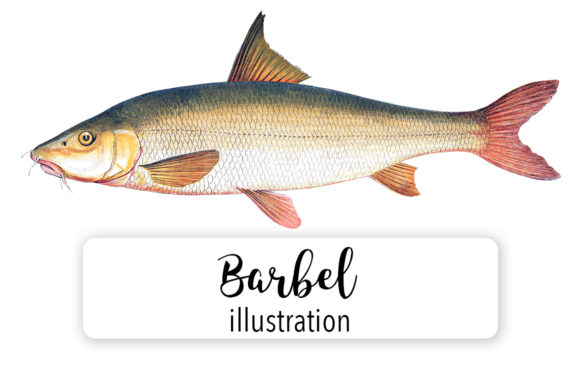
Illustrations
When I receive a brief from a client asking for something that feels organic, so...
Illustrations
As a designer who spends half her life staring at stitch charts and the other ha...
