Watercolor Flower Clipart: A Practical Review for Digital Sellers
As a digital product creator who has spent years refining listings on Etsy, Creative Fabrica, and Shopify, I approach every new graphic design asset with a mix of excitement and skepticism. The market is saturated, and the difference between a listing that gathers dust and one that converts often comes down to the quality and versatility of the core assets used. Recently, I evaluated a set of Watercolor Flower Clipart intended for commercial use, testing it against my current workflow for seasonal collections and evergreen bestsellers. This review breaks down how this specific illustration pack fits into the ecosystem of online selling, from print-on-demand merchandise to high-margin digital downloads.
First Impressions and Niche Appeal
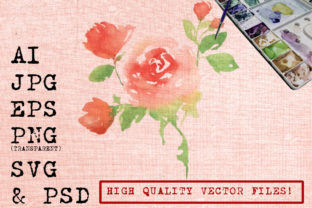
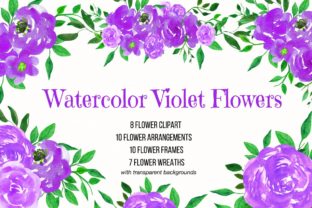
The immediate visual impact of these illustrations is soft, organic, and distinctly feminine without being overly saccharine. Watercolor textures have seen a resurgence in the handmade business sector because they convey a sense of premium quality and artisanal care that flat vector graphics sometimes lack. When I first opened the files, the mood felt elegant yet accessible, making it suitable for a broad range of audiences including wedding planners, nursery decor enthusiasts, and lifestyle bloggers.
From a branding perspective, these assets support a cohesive visual identity. They are not just isolated images; they are components of a larger aesthetic. For sellers focusing on small business branding, this consistency is crucial. The color palette appears balanced, allowing for easy pairing with various typography styles. Whether you are aiming for a rustic farmhouse vibe or a modern minimalist look, these flowers provide a decorative anchor that elevates the entire composition.
Real-World Product Applications
One of the most critical questions for any seller is versatility. Can this single asset generate multiple revenue streams? In my testing, Watercolor Flower Clipart proved highly adaptable across several key categories:
- Printable Wall Art & Nursery Prints: The texture of the watercolor adds depth when printed at larger sizes. These designs work exceptionally well as framed art for nurseries or as part of gallery walls. They also serve as excellent base elements for printable design bundles.
- Apparel and Accessories: For print-on-demand sellers, these flowers translate beautifully onto t-shirts, tote bags, and mugs. The organic shapes allow for creative layouts that don't feel rigid or corporate. As a t-shirt design element, they pair well with motivational quotes or boho-style text.
- Digital Planners and Stickers: If you sell on platforms like Creative Fabrica, these assets can be sliced into individual elements for sticker design projects. However, care must be taken with the bleed areas to ensure clean cutting lines for Cricut users.
- Invitations and Greeting Cards: The elegance of the watercolor style makes it ideal for wedding invitations, baby shower cards, and holiday greetings. It adds a touch of sophistication that customers are willing to pay a premium for.
- Social Media Graphics: Content creators can use these as overlays for Instagram posts or Pinterest pins. They help break up text-heavy layouts and add a layer of visual interest that increases engagement rates.
Enhancing Product Presentation and Mockups
In the digital marketplace, your thumbnail is your storefront. High-quality design assets directly influence click-through potential. I tested placing these flowers into various product mockup scenarios. On a white background, they pop with clarity, but their true strength emerges when layered over textured backgrounds or integrated into lifestyle scenes.
For example, using these flowers in a Canva template for real estate agents or coaches added a layer of professionalism and warmth. The visual hierarchy was maintained because the flowers acted as accents rather than overwhelming the primary message. This balance is essential for maintaining customer trust; buyers want products that look polished and ready to use. By integrating these commercial design elements into your listings, you signal that your shop values quality and attention to detail.
Strategic Use Cases and Market Positioning
This clipart set shines brightest in themed bundles. Instead of selling individual flowers, which often results in lower perceived value, creating a design bundle around a specific theme (e.g., "Spring Garden" or "Boho Wedding") allows you to command higher price points. These assets are perfect for creating seasonal collections that align with trending search terms.
Furthermore, they support visual storytelling. A seller crafting a brand story around sustainability or mindfulness can use these natural, flowing forms to reinforce their message. The organic nature of the illustration connects emotionally with buyers who appreciate hand-crafted aesthetics, even if the final product is digital.
Areas Requiring Caution
No asset is without limitations. While these flowers are versatile, there are specific scenarios where they require careful handling:
- Tiny Details and Scaling: Watercolor textures can become muddy if scaled down too small. Avoid using them for tiny sticker details or low-resolution icons. Always check the resolution before publishing.
- Cutting Lines for Crafters: If targeting Cricut or Silhouette users, ensure you have clean SVG cut files available. The intricate edges of watercolor paintings can be challenging for vinyl cutters to reproduce accurately. Provide both PNG and simplified SVG versions to cater to different user needs.
- Background Contrast: These assets may struggle on dark or busy backgrounds. Test your designs thoroughly to ensure visibility. White space is your friend here; let the flowers breathe.
- Text Integration: Be mindful of overlapping text with complex floral patterns. This can create visual clutter and reduce readability. Use solid-colored text boxes or drop shadows to maintain clarity.
Practical Seller Notes for Implementation
To maximize the ROI of this digital product, I recommend the following workflow:
- Mockup Testing: Before publishing, preview the design on real-world items like mugs, tumblers, and phone cases. Assess how the colors translate across different materials.
- File Organization: Organize your files clearly for customers. Include high-resolution PNGs with transparent backgrounds, scalable SVGs, and perhaps a PDF guide showing suggested uses. Clear organization reduces customer support queries.
- Typography Pairing: Experiment with different font styles. Serif fonts add classic elegance, while script fonts enhance the romantic feel. Handwritten fonts can add a personal touch, especially for greeting cards.
- Licensing Verification: Double-check the commercial license. Ensure you have the right to sell finished products made with these assets. Some licenses restrict the number of physical copies you can sell, so read the fine print.
- Color Variations: If possible, offer the clipart in different colorways to appeal to diverse tastes. Seasonal variations (e.g., pastel spring vs. deep autumn tones) can extend the lifespan of your listings.
In conclusion, Watercolor Flower Clipart is a robust addition to any digital seller's toolkit. Its ability to bridge the gap between digital downloads and physical merchandise makes it a valuable creative marketplace asset. By testing it carefully and integrating it strategically into your product line, you can enhance your shop's aesthetic appeal and drive sales. Remember, the goal is not just to sell an image, but to provide a solution that helps your customers create something beautiful.