Watercolor Feather Collection Review
As a designer who spends half her life staring at stitch density charts and the other half trying to convince clients that "handmade" justifies a premium price tag, I approach every new embroidery file with a healthy dose of skepticism. The market is flooded with generic clip art disguised as machine embroidery designs. That is why when I encountered the Watercolor Feather Collection, I didn’t just look at the preview image; I looked at how it would translate from a digital vector into physical thread on fabric.
This isn't just another decorative element for your scrapbook. This is a serious design asset for anyone looking to elevate their brand identity or create high-end personalized gifts. After putting this machine embroidery design through its paces in my studio, here is my honest breakdown of where it shines, where it struggles, and whether it deserves a spot in your commercial library.
The First Impression: Mood and Visual Personality
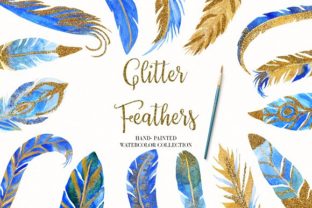
The moment you open the files, the first thing that strikes you is the artistic intent. Unlike rigid, geometric feather designs that feel industrial and cold, the Watercolor Feather Collection leans heavily into organic flow. It captures the delicate, translucent quality of watercolor painting, which translates surprisingly well into threadwork if handled correctly.
The visual personality is soft, ethereal, and slightly romantic. It screams "boutique," "nursery," and "artisanal." If you are an Etsy seller targeting customers who value aesthetic cohesion over bold statements, this collection fits right in. It feels less like a logo and more like an illustration that has been brought to life. The shapes are fluid, avoiding the harsh angles that often plague poorly digitized nature motifs. For a custom apparel decorator, this offers a sophisticated alternative to the ubiquitous floral wreaths or basic monograms that saturate every craft fair booth.
Real-World Application: Where Does It Belong?
I don’t believe in designs that look good on screen but fall apart under the needle. So, I tested the Watercolor Feather Collection across several typical product categories to see how it holds up in real-life scenarios.
Soft Goods and Apparel
The natural home for this design is on soft, forgiving fabrics. I found it particularly effective on sweatshirt embroidery projects, specifically on heather grey or cream-colored cotton blends. The texture of the jersey knit provides enough friction to hold the stitch density without the fabric puckering excessively. It also works beautifully on canvas tote bag design applications, where the feathers can be arranged in a cascading pattern along the side seam or centered on the front panel. The key here is scale; these feathers demand space to breathe. On a standard crewneck sweatshirt chest area, they look regal. On a tiny pocket square, they might get lost in the noise.
Nursery and Baby Items
If you run a shop focused on baby products, this collection is a goldmine. The gentle curves align perfectly with the aesthetic of modern nursery decor. I envision these feathers stitched onto muslin swaddle blankets, hooded towels, or crib bumper pads. The embroidery project becomes less about decoration and more about creating a sensory, soft experience for the infant. Because the design relies on smooth gradients rather than sharp contrasts, it avoids being visually overwhelming for a baby’s environment. It adds a touch of elegance to baby embroidery that feels expensive and thoughtful.
Home Decor and Textiles
Beyond clothing, this design excels in the realm of home goods. Imagine a set of linen tea towels featuring a single, large feather from the collection near the hem. Or perhaps a pillow cover for a bohemian-style living room. The illustrations within the collection have enough detail to stand alone as focal points. They work exceptionally well as part of a larger composition, such as a wreath made entirely of mixed feathers from the set, which could serve as a stunning holiday door hanger or a centerpiece for a wedding reception table.
Technical Performance and Stitching Clarity
Here is where the rubber meets the road. Translating a watercolor effect into stitches is tricky. You need enough color variation to suggest depth, but not so much complexity that the machine jams or the fabric distorts.
The Watercolor Feather Collection utilizes a smart mix of fill stitch and running stitch elements. The fill stitches provide the body of the feather, while the finer running stitches simulate the barbs and the delicate edges. In my testing, the stitch density was moderate—high enough to cover the fabric background completely, but low enough to maintain flexibility. This is crucial for garments that will be worn and washed frequently. A dense, stiff patch looks cheap; a flexible, integrated stitch job looks professional.
However, the success of this design hinges entirely on your choice of thread colors. To achieve the watercolor look, you cannot rely on a single solid color. You need to use variegated threads or carefully plan a multi-color gradient sequence. If you stitch this in a flat black thread on black fabric, the magic vanishes. The design relies on contrast and subtle tonal shifts. I recommend using high-quality polyester threads that have a slight sheen, as this helps mimic the wet look of watercolor paint.
Where to Exercise Caution
No design is perfect for every situation. There are specific contexts where the Watercolor Feather Collection may struggle or require significant adaptation.
- Small Hoop Sizes: Do not attempt to downscale these feathers too far. The intricate details that give them character will turn into muddy blobs if the hoop size is too small. Stick to minimum dimensions that allow the eye to distinguish individual barbs.
- Textured or Stretchy Fabrics: While jersey knit worked well, highly textured fabrics like heavy tweed or loose-weave burlap can interfere with the precision of the satin edges. Similarly, extremely stretchy synthetics may cause the design to warp during stitching unless you use a heavy-duty cut-away stabilizer.
- Dark Fabrics: Watercolor effects generally require light backgrounds to show their transparency. Stitching this collection on dark navy or black fabric will result in a muted, dull appearance unless you use metallic or bright neon threads, which clashes with the soft mood of the design.
- Curved Surfaces: While caps and hats are popular merchandise, the flat, flowing nature of these feathers does not always conform well to the curved brim of a baseball cap. It is better suited for the flat crown or straight-edged items like aprons and kitchen towels.
Practical Designer Notes for Success
Before you start producing these for your craft business, follow these practical steps to ensure a professional finished product.
- Test on Scrap Fabric: Always run a test stitch-out on the exact fabric you intend to sell. What looks good on white muslin might behave differently on colored denim.
- Check Thread Contrast: Lay your thread spools against your fabric before starting. Ensure there is enough contrast for the details to pop, especially if you are using light threads on mid-tone fabrics.
- Inspect Small Details: Zoom in on your design software. Are the tiniest stitches too close together? Can your machine handle the transition between colors without excessive trimming?
- Use Proper Stabilizer: For lightweight fabrics, a tear-away stabilizer might shred. For heavy items, a wash-away backing might leave residue. Match your stabilizer to the weight and weave of your fabric.
- Review Licensing: As a commercial embroidery user, you must verify the license terms included with the digital embroidery file. Some collections allow unlimited personal use but restrict commercial sales, while others offer full commercial rights. Never assume; always read the fine print.
Final Verdict
The Watercolor Feather Collection is a versatile, high-quality addition to any designer’s toolkit. It bridges the gap between traditional embroidery and modern illustration trends. It is ideal for small shop product lines that emphasize quality, softness, and aesthetic appeal. Whether you are creating a personalized gift for a client or building a brand identity for your own boutique, this collection offers the visual sophistication needed to stand out in a crowded marketplace. Just remember: respect the scale, choose your threads wisely, and test thoroughly. When done right, the result is not just an embroidered item, but a piece of wearable art.