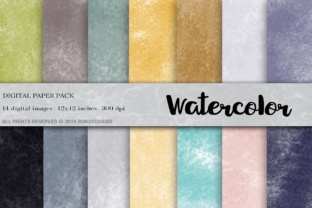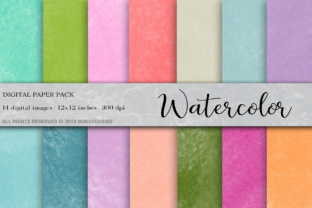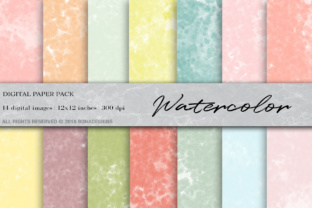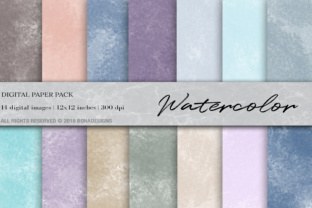
Watercolor Background Digital Paper for Illustrations
As a digital product creator who has spent years navigating the saturated waters of Etsy, Creative Fabrica, and Shopify, I have learned to be skeptical of every new asset drop. The market is flooded with generic backgrounds that scream "cheap clipart" rather than "premium design element." However, when I first pulled up Watercolor Background Digital Paper, my internal seller alarm didn't just ring; it shifted gears from caution to curiosity. This isn't just another texture file. It is a strategic graphic design asset that possesses the specific visual weight and aesthetic softness required to elevate commercial products in a crowded marketplace.
The immediate impression is one of organic elegance. Unlike flat vector textures or overly processed photographic overlays, this illustration carries the breathless quality of real pigment on paper. For sellers targeting niches like boho weddings, nursery decor, feminine branding, or artisanal packaging, this asset bridges the gap between handmade warmth and digital precision. It feels premium without being stiff, and decorative without being chaotic. In an era where perceived value drives conversion rates, having a background that whispers "handcrafted care" can significantly impact click-through potential.
Strategic Applications for Commercial Design
Evaluating a digital download requires more than admiring its beauty; you must visualize its utility across your entire product line. Here is how I see Watercolor Background Digital Paper integrating into high-performing categories:
- Printable Wall Art & Nursery Prints: The soft edges and natural color gradients provide an ideal canvas for typography-heavy quotes or delicate line-art illustrations. It adds depth to minimalist designs without overwhelming the viewer.
- Invitation Templates & Greeting Cards: Whether for weddings, baby showers, or seasonal holidays, this asset establishes an emotional tone immediately. It works exceptionally well as a full-bleed background for elegant serif fonts.
- Sublimation Designs & T-Shirt Graphics: For print-on-demand sellers, the watercolor bleed effect translates beautifully onto apparel and home goods. It softens bold graphics and adds a layer of artistic sophistication to t-shirt designs and tote bag prints.
- Planner Stickers & Digital Junk Journaling: Crafters love assets that look authentic. This PNG design offers transparency and texture that mimics real scrapbooking materials, making it perfect for sticker bundles and digital planning kits.
- Social Media Graphics & Blog Headers: Content creators often struggle with maintaining brand consistency. Using this as a recurring background element creates a cohesive visual identity across Instagram posts, Pinterest pins, and website headers.
- Mug Designs & Tumbler Wraps: The horizontal flow of many watercolor compositions makes it easy to wrap around cylindrical objects, providing a seamless and professional look for merchandise.
Enhancing Product Presentation and Perceived Value
In the digital product space, your listing images are your salesperson. A static image of a background file rarely sells itself unless presented correctly. My approach is to use Watercolor Background Digital Paper not just as the final product, but as a staging ground for mockup previews.
When creating listing images, placing a sample logo or quote over this asset demonstrates its versatility instantly. It helps buyers visualize the end result. For example, showing a wedding invitation template layered over this background communicates luxury and attention to detail far better than a plain white square. This technique supports visual storytelling, allowing customers to trust the quality of the underlying design assets before they even purchase.
Furthermore, bundling this asset with complementary elements—such as matching borders, frame SVGs, or coordinating clipart—can increase the average order value. A "Boho Wedding Suite" bundle featuring this background alongside invitations, save-the-dates, and signage templates offers immense value to small business owners and DIY enthusiasts looking for cohesive brand identity packages.
Risk Assessment: Where Caution is Required
No asset is universal, and responsible selling requires knowing where not to force a fit. While this illustration is versatile, there are specific scenarios where it may hinder your product's success:
- Tiny Sticker Details: If you are designing intricate die-cut stickers under one inch, the subtle variations in watercolor texture might get lost or appear muddy when scaled down. Test these at actual print size.
- Text-Heavy Templates: Because the asset has visual personality, it can compete with dense blocks of text. Use ample negative space or overlay semi-transparent shapes if you need to prioritize readability.
- Cricut and Silhouette Projects: For users relying on cutting machines, ensure the contrast is sufficient for clean cutting lines. Complex, low-contrast areas might confuse blade sensors, leading to frustrated customers and negative reviews.
- Digital Downloads for Low-Resolution Screens: Always verify the resolution. If sold as a high-res printable, ensure the file is 300 DPI. Selling a compressed JPEG for large format printing will lead to returns and damage your shop reputation.
Practical Seller Notes for Implementation
Before adding this graphic design asset to your inventory, run through this practical checklist to ensure professionalism and customer satisfaction:
- Mockup Testing: Preview the asset on various backgrounds. How does it perform against a stark white backdrop versus a dark charcoal one? Does it retain its integrity when used as a watermark?
- File Organization: Clearly label your files. Separate the high-resolution PNGs from the web-optimized versions. Include a PDF guide explaining how to download and use the commercial license.
- Font Pairing: Experiment with different typography styles. A classic serif font enhances the traditional feel, while a modern sans-serif font can make it feel contemporary. Script fonts should be used sparingly to maintain legibility.
- Commercial License Verification: Double-check the terms of use. Confirm whether you can sell finished physical products (like printed mugs) or if the license is restricted to digital downloads only. Clarity here prevents legal headaches later.
- Color Accuracy: Monitor calibration is crucial. Watercolors are notoriously difficult to reproduce accurately. Ensure the colors in your digital preview match what the customer receives, minimizing "item not as described" disputes.
Ultimately, Watercolor Background Digital Paper is more than a pretty picture; it is a tool for elevating the standard of your creative marketplace listings. By integrating it thoughtfully into your design bundles, respecting its limitations, and presenting it through professional mockups, you position your shop as a source of high-quality, trustworthy design assets. In a world of mass-produced digital goods, offering something with genuine artistic character is a competitive advantage worth capitalizing on.