Spiny Chameleon Watercolor: A Practical Review for Digital Illustrations
When I sit down to curate a new collection for my digital shop, I am not just looking for pretty pictures. I am looking for assets that convert. As an experienced creator who has managed shops on Etsy, Creative Fabrica, and Shopify for years, I know that the difference between a listing that sits idle and one that sells often comes down to the versatility and perceived quality of the core design asset. Recently, I evaluated a specific graphic design asset titled Spiny Chameleon Watercolor to determine its viability for commercial product creation. This review breaks down exactly how this illustration fits into a real-world selling strategy, where it shines, and where it might cause headaches if used carelessly.
First Impressions and Niche Appeal
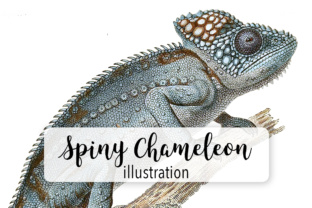
The moment you open the file for Spiny Chameleon Watercolor, the first thing that stands out is the texture. Unlike flat vector art which can sometimes feel sterile or overly corporate, this watercolor style brings an organic, handmade warmth to the design. The color palette appears to lean towards earthy greens, soft teals, and muted yellows, which immediately signals a connection to nature, whimsy, and botanical themes.
From a business perspective, this aesthetic hits several high-demand niches simultaneously. It appeals to the nursery decor market, the boho home decor crowd, and the growing segment of reptile enthusiasts who want something softer than a realistic photo but more artistic than a cartoon. The visual personality is playful yet elegant. It feels premium because of the subtle bleed effects in the watercolor technique, which adds depth and character. For sellers targeting customers who value artisanal quality, this illustration offers a strong foundation for building brand identity without needing heavy editing.
Real-World Product Applications
Testing a design’s potential requires imagining it across multiple product categories before committing to a full launch. Here is how I would deploy Spiny Chameleon Watercolor in a live online shop scenario:
- Printable Wall Art: This is the most obvious application. The watercolor texture translates beautifully to large-format prints. I would use this as a standalone piece for nursery wall art or pair it with minimalist typography for a motivational quote poster. The soft edges allow it to blend seamlessly into rustic or modern farmhouse interior styles.
- Sticker Designs and Planner Bundles: For Cricut users and crafters, this asset is gold. If provided as a PNG with transparency, it can be easily cut into vinyl stickers. I envision these being sold in bundles alongside other jungle or zoo-themed elements. They work exceptionally well for daily planner inserts, adding a touch of color to organizational tools.
- Sublimation and Print-on-Demand: When testing this as a t-shirt design or mug design, the watercolor effect holds up well against busy backgrounds. It works particularly well on light-colored apparel like heather grey or white shirts, where the colors pop without clashing. For tumblers and tote bags, it serves as a central focal point that draws the eye.
- Digital Paper Packs: By repeating the chameleon pattern at low opacity over a textured background, this asset can become part of a larger digital paper pack. These are highly sought after by scrapbookers and card makers looking for cohesive materials for their projects.
- Social Media Graphics: Content creators can use this illustration as a header image or a featured post graphic. Its organic shape allows for easy cropping and overlaying text, making it a versatile tool for Instagram templates or blog headers.
Enhancing Product Presentation and Value
In the digital marketplace, your product mockup is everything. A poor presentation can make a great design look cheap. Using Spiny Chameleon Watercolor strategically can elevate your entire listing. Because the asset has a natural, flowing form, it pairs naturally with lifestyle mockups. Imagine placing this chameleon on a wooden frame mockup for nursery art, or overlaid on a linen tote bag to show texture integration.
This approach helps with visual storytelling. It tells the customer that this is not just a clipart file; it is a finished concept ready for their own creative projects. High-quality mockups featuring this illustration increase perceived value, allowing you to price your bundles higher. Furthermore, using consistent styling across your thumbnails—such as always pairing the chameleon with similar earthy tones—builds trust and makes your shop look more professional and curated.
Strategic Pairings for Design Assets
To maximize the commercial appeal of this illustration, font selection is critical. I recommend pairing Spiny Chameleon Watercolor with:
- Script Fonts: A flowing, handwritten script complements the organic lines of the watercolor, creating a harmonious, feminine look ideal for greeting cards and wedding invitations.
- Serif Fonts: For a more sophisticated, editorial look suitable for book covers or premium journal covers, a classic serif provides excellent contrast to the soft illustration.
- Display Fonts: Bold, quirky display fonts can enhance the playful nature of the chameleon, perfect for children’s books or fun party decorations.
Where to Exercise Caution
No asset is perfect for every use case. As a seller, you must recognize the limitations of Spiny Chameleon Watercolor to avoid negative reviews and returns.
First, avoid using this asset for tiny sticker details. Watercolor textures rely on subtle gradients and soft edges that can get lost or muddy when scaled down to less than one inch. Second, be wary of using it in crowded layouts. If you place too many competing elements around the chameleon, the unique selling point of the watercolor style will disappear. Third, test carefully on dark backgrounds. While it looks stunning on white or cream, dark backgrounds can sometimes mute the vibrancy of watercolor pigments unless the asset has been specifically brightened for that purpose.
Additionally, if you are selling SVG files for cutting machines, ensure the vector paths are clean. Sometimes, complex raster-to-vector conversions can result in jagged edges that ruin the smooth watercolor illusion during the cutting process. Always inspect the cut quality before publishing.
Practical Seller Notes for Launch
Before adding this to your inventory, follow this checklist to ensure a smooth launch:
- Test Resolution: Verify that your PNG designs are at least 300 DPI for print products. Blurry images kill credibility instantly.
- Check Transparency: Ensure the background is completely removed if you are selling PNGs for crafting. Any stray pixels can frustrate users.
- Mockup Preview: Create a thumbnail that shows the chameleon in context. Show it on a shirt, a mug, and a print. Give the buyer a clear idea of scale and application.
- Licensing Confirmation: Double-check your commercial license. Even if you bought the asset, some licenses restrict resale on certain platforms or require attribution. Protect your small business branding by staying compliant.
- File Organization: Organize your files clearly. Offer both high-res PNGs and editable SVGs if available. Label them clearly so customers know exactly what they are getting.
In conclusion, Spiny Chameleon Watercolor is a robust addition to any digital product creator’s toolkit. It bridges the gap between cute and sophisticated, making it a flexible choice for diverse markets. By testing it across various formats—from printable designs to sublimation transfers—and presenting it with professional mockups, you can leverage this illustration to drive sales and build a cohesive, attractive online store. It is a smart investment for anyone looking to expand their catalog with high-quality, commercially viable design assets.