Herlequin Flower Mix Watercolor: A Designer’s Honest Take
As an embroidery designer with years of hands-on experience, I’ve had the chance to work with countless digital embroidery files. When I first opened Herlequin Flower Mix Watercolor, I was immediately drawn in by its soft, fluid aesthetic and the way it felt like a true illustration rather than just a design for machines. It carries that delicate balance between whimsy and sophistication—something not every machine embroidery design achieves.
A First Look at the Design
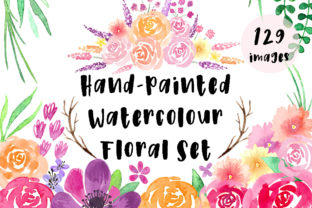
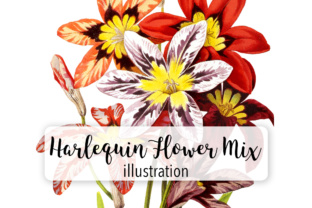
The Herlequin Flower Mix Watercolor has a very distinct personality. It feels like you’re looking at a hand-painted canvas translated into stitch form. The flowers are stylized but still naturalistic, with gentle gradients and subtle blending that give them a painterly quality. This isn’t a bold, graphic-style design—it’s more about mood and atmosphere. If you're aiming for a vintage-inspired or bohemian look, this one hits all the right notes.
From a layout perspective, the design is generous in size and offers enough detail to stand out without overwhelming the fabric. Its organic flow makes it ideal for larger hoop areas where the art can breathe. The color palette is warm and muted, which works well with cottons, linens, and even some lighter synthetics. But as always, I recommend checking thread color contrast against your intended fabric before committing to production.
Real-World Use Cases
I recently considered using this design on a custom sweatshirt for a boutique client who wanted something unique for their fall collection. The watercolor effect added a dreamy touch, especially when paired with a soft pastel fabric. The result was a piece that felt both artisanal and modern—a perfect blend for lifestyle apparel.
Another project where I could see this design shining is on a tote bag design. The large format allows the floral elements to spread out beautifully, and the watercolor feel gives it a handcrafted appearance that upscale customers love. For handmade product lines targeting the conscious consumer, this design adds value instantly.
In terms of custom apparel, the file handles well on t-shirts and hoodies, particularly those made from quilting cotton or light-weight denim. It also works surprisingly well as an embroidered patch—as long as you have enough space to let the details show through. The stitch density is moderate, which helps preserve the fabric while still delivering a crisp finish.
Where It Thrives
- Tote bags – Great for adding a personal or brand touch.
- Sweatshirts and hoodies – The softness of the design complements cozy knits.
- Baby clothes and nursery decor – Gentle and soothing visuals for little ones.
- Pillow covers and tea towels – Adds a decorative yet elegant flair.
- Holiday gifts and personalized items – Perfect for creating thoughtful, artistic keepsakes.
Where to Proceed with Caution
While Herlequin Flower Mix Watercolor is visually stunning, there are a few real-world limitations to be aware of. Because of its intricate detailing and soft edges, it doesn’t hold up as well on textured fabrics like flannel or canvas. The tiny petals and leaves may get lost or distorted if stitched onto stretchy materials such as spandex blends or thin silks.
If you're working with dark-colored fabric, the design might not pop unless you use white or metallic threads. Always test the thread colors in black and white mockups to ensure visibility. Also, avoid using it on curved surfaces like caps or hats—unless you’re ready to do some serious resizing and seam adjustments.
For small hoop sizes, this design can become cramped quickly. You’ll need at least a 6x10 hoop to let it shine. If you’re planning to use it on layered garments (like a jacket over a shirt), make sure the stabilizer is strong enough to prevent shifting during stitching.
Stitch Quality and Technical Considerations
One of the things I appreciate about this machine embroidery design is how it stitches cleanly across most standard materials. The fill stitch patterns are consistent and don’t require excessive tension adjustment. However, the dense areas—especially around the center of the blossoms—can cause puckering if you don’t use proper stabilizer. I’ve found that tear-away alone isn't enough; adding cutaway underneath these zones really helps maintain fabric integrity.
When evaluating stitch density, keep in mind that this design leans toward the mid-density range. That means it’s suitable for home embroidery machines, but commercial users should always run a test sample to confirm performance under high-volume conditions. The satin stitch outlines are smooth and precise, which contributes to a professional finish—especially important if you're selling small shop product or branding items for clients.
Design Notes for Embroidery Projects
- Test on scrap fabric before finalizing any project. Especially if you're using a non-standard material.
- Review the thread colors included and consider whether they match your brand or project needs. Some hues might not be easily substituted.
- Confirm the hoop size required. This design benefits from extra space to maintain clarity and visual appeal.
- Inspect the small details in the design—those fine strokes and tiny petals can be fragile when resized or altered.
- Use printable mockups to preview how the design will appear on different products. It’s a great way to check scale and placement.
Customer Reaction and Market Fit
When I shared a mockup of Herlequin Flower Mix Watercolor on a tote bag with a group of potential Etsy buyers, the feedback was overwhelmingly positive. People loved the artistic feel and said it looked like a “real painting,” which is rare for machine embroidery. That kind of reaction translates directly into buyer engagement—customers are more likely to purchase something that feels special and crafted.
For holiday embroidery, this design fits seamlessly into autumn and winter collections. It pairs well with seasonal greetings, monogrammed names, or minimalist gift tags. As a personalized gift, it elevates the item beyond typical mass-produced offerings and shows attention to detail.
On the commercial embroidery side, this design is versatile enough to serve as part of a curated set of design assets for a boutique line or craft fair product. It can be used as a standalone feature or as a background element in a more complex composition. The key is knowing when to pair it with other textures or designs to maintain visual interest without overcrowding.
What It Brings to Your Brand
Using Herlequin Flower Mix Watercolor can significantly enhance the perceived product value of your handmade product lines. Customers notice the difference between generic graphics and something that feels intentional and expressive. It supports brand consistency when incorporated into packaging or marketing materials, especially if your brand identity leans toward nature, wellness, or indie aesthetics.
As a digital embroidery file, it's also a solid addition to your library of design assets for resale. Just make sure to double-check licensing terms before including it in your Illustrations bundle or digital product previews. Clarity here is essential for craft business owners and Etsy sellers who rely on legal compliance to build trust and avoid issues down the line.
Final Thoughts from the Studio
In my opinion, Herlequin Flower Mix Watercolor is a standout design for anyone who values artistry in their embroidery work. It’s not the kind of file you’d throw on anything—it requires care and consideration to highlight its strengths. But when done right, it delivers a level of visual appeal that sets your finished product apart in a crowded market.
I recommend this design for projects where the focus is on visual storytelling and emotional resonance. Think baby items with a soft, welcoming vibe, or apparel decorators looking to add a signature touch to a limited-run collection. It’s also excellent for handmade shop owners who want to offer a premium feel without the cost of custom illustrations.
Bottom line: this isn’t just another floral design. It’s a thoughtfully created machine embroidery design that brings a painterly elegance to your creations. Just remember to treat it with the same respect you would any fine art—test, adjust, and let it speak for itself on the right fabric and product.